It has been a while since I re-subscribed to the Internet and dusted off this travel blog. I’ve been waiting for the perfect moment. Many have come and gone, but during COVID I forgot how to type (and since then ChatGPT just won’t let me). Instead, this moment shall suffice adequately.
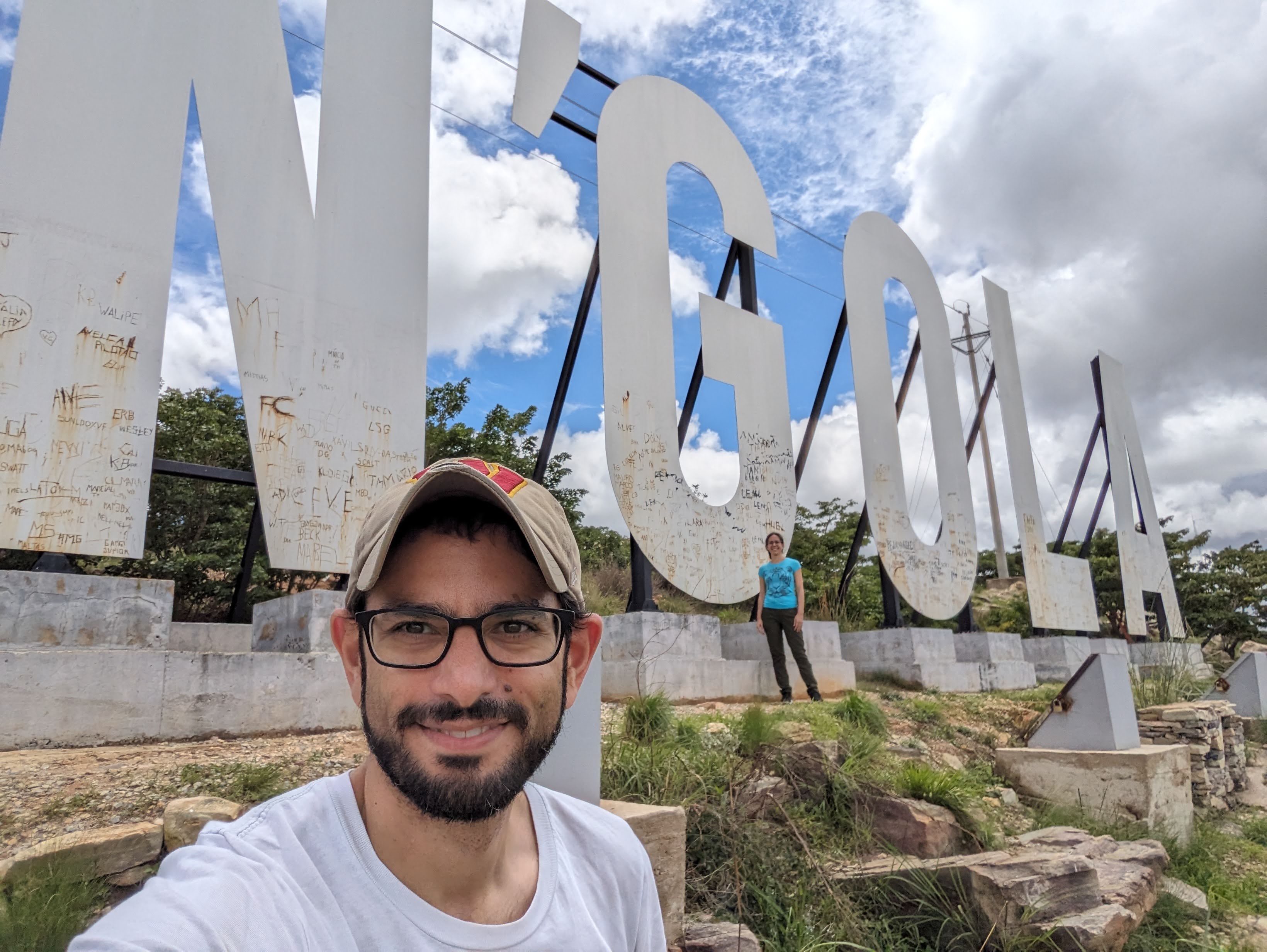
“Angola! Angola? Angola . . . why would you go there??” Such quizzical responses marked the frequent refrains Christine and I heard when explaining our winter vacation plans last year. Most centered around outmoded assumptions that the country is graced with a potent combination of both being critically unsafe while also lacking anything to do (i.e. if it’s that unsafe then they’ll be plenty to do, namely running away from scary clowns). The fact that we were going of our own free will (as far as I am aware) further astounded the nameless masses. As much as I skillfully deflected the nagging queries in as authoritative a tone as I could muster (somewhere between Elmo and the purple Teletubby), deep down I knew they were not without merit. Even I was wondering why, assuming Christine misheard during our underwater life planning session when I murmured I want to “eat more granola”.

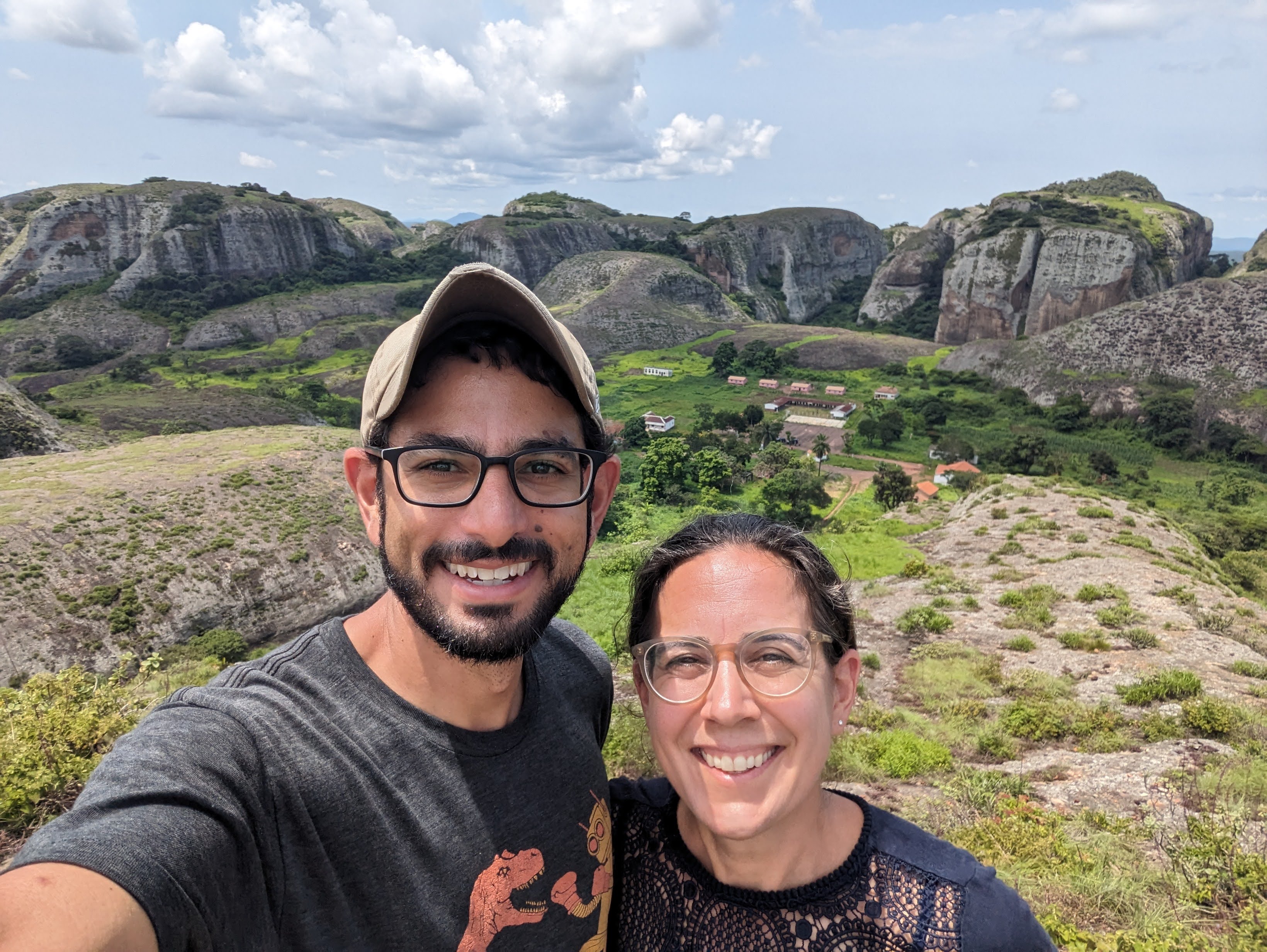
Even for regular travelers to the continent, Angola is synonymous with a lengthy, Cold-War infused civil war followed by a burst of freedom-based, capitalism-infused shady oil economics (funny how that works – there even used to be a direct flight between Houston and Luanda just for oil industry employees). The capital Luanda is perennially ranked one of the most expensive cities in the world and once hosted Africa’s richest woman (the daughter of a long-time president whose assets, perhaps not so surprisingly, have now been frozen in many countries). But it quickly became clear to us Angola is more than just oil and conflict. So much more in fact that even I was surprised, an outcome that has not occurred since I found out octopuses are in fact nature’s accountants.

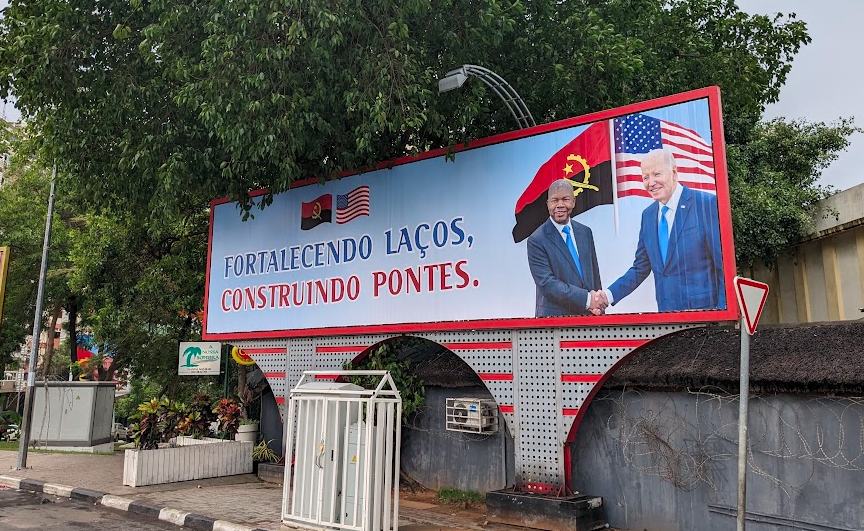
So what inspired the historic decision to spend the week of Christmas 2024 in Angola? Well for starters, visiting has recently become visa free for ninety countries – and I’ll pay almost anything for a free visa. As former Portuguese colony where the colonial language remains the dominant form of communication, I figured I would be at home being constantly confused after three years of barely speaking Portuguese in another former colony in Mozambique. And just like Houston oil executives, there is a direct Maputo-Luanda flight, one that usually takes off and also often lands. Finally as a devoted U.S. president-in-Africa groupie, I always follow Air Force One around the continent – often waiting for that sweet spot three weeks after touchdown to truly assess the impact (I’d been waiting a while, Biden’s December 2024 visit to Angola the first U.S. presidential trip to Africa since 2015).
Honestly to be frank, which is my favorite mode of being, after seven days in Angola I was more left wondering ‘why not Angola??’ The unheralded country has it all – people, buildings, rooms inside those buildings, some rocks, a little bit of air, a couple of flies and I think I even saw a table. But that was just on the flight over. After landing we discovered:
- A forest-laced countryside that subtly obscures the continent’s second largest waterfall (which of course graces you with perfectly-timed rainbows)
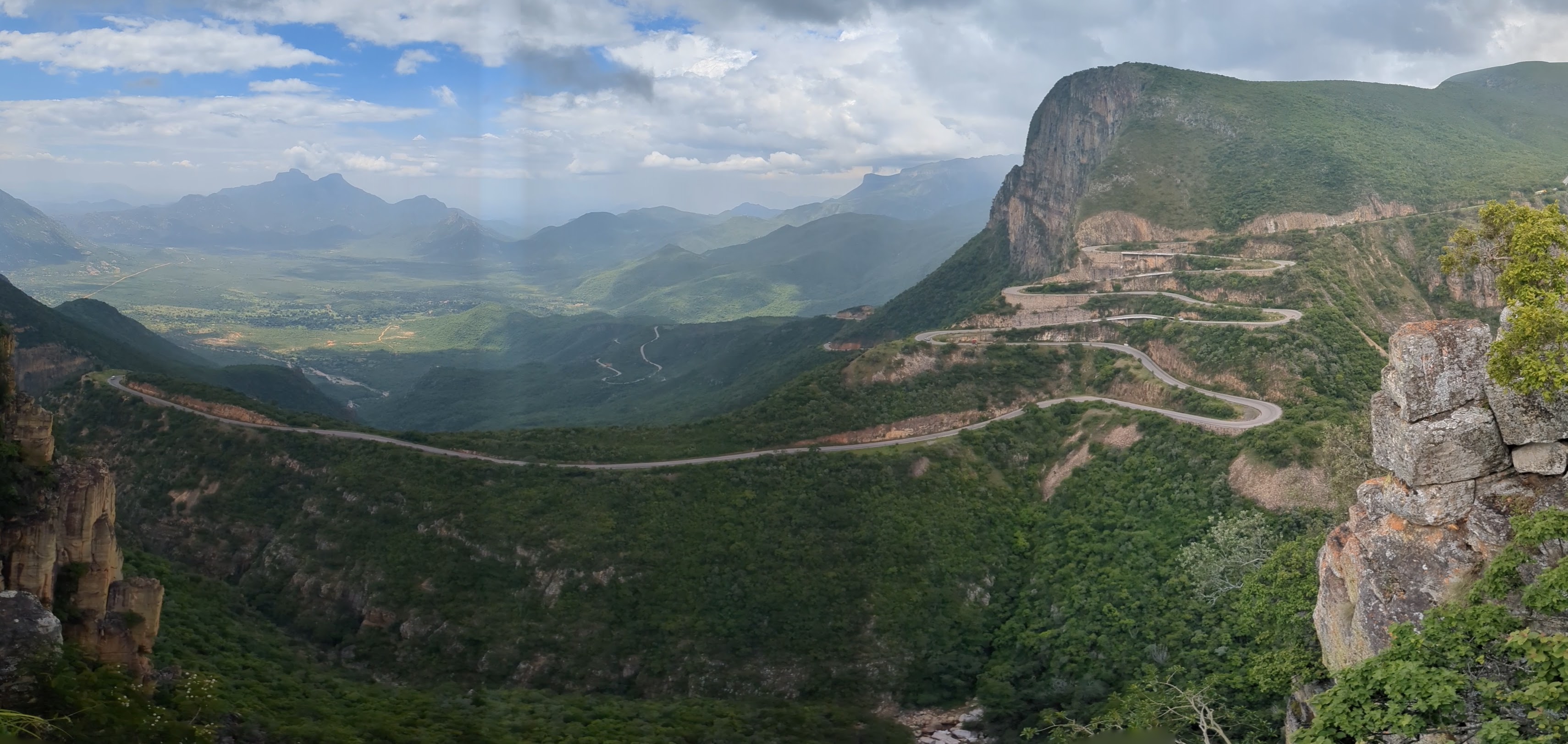
- A stunning series of mountains that give way to a waterfront desert in less than a 1.5 hour drive down a dizzying switch-back road that stands out as an incredible marvel of engineering (even for those of us that don’t quite know how to marvel at engineering)
- A coastline dotted with tiny but quaint Portuguese-built colonial towns that retain an odd sort of charm
- Unique geographical features like lava rock swimming pools that seemingly no one else on the planet has ever waded into
- And the prospect of beaches galore

Food was also a highlight – gorging on mufete or grilled fish topped with salsa astride every sort of tuber (and bananas) imaginable.
With that said, Angola is not without its challenges. Arriving three days before Christmas, every single ATM we saw during the week crisscrossing the country had lines running into the triple digits. Most were simply out of cash given the usual rush to draw funds at the end of the month after salaries are paid, heightened by the holiday period and apparent delays in processing this year. Our credit card, try as hard as it mightily did, worked about 14% of the time. Thus dollars were king – luckily Biden left some buried for us, which combined with a bustling black market, made everything 25% cheaper.

Roads also were not the worst, but were more pot-holed than you might expect from what is technically an oil-rich country (though those in the desert-afflicted south were much better preserved). Flight times by the national airlines, TAAG, are let’s say rather ‘flexible’ (sometimes even moving hours earlier without notice). They also informed us our flight back to Maputo was cancelled, when it certainly was not – but I assume that was just because they loved our company so much. The communist legacy and transition to unflinching capitalism seems to have made less headway outside the oil industry. We often had to chase people, literally running down after them on the streets, to pay for things they somehow forgot to charge us – a somewhat bizarre twist on the supposed high crime rates where instead just no one at all takes your money (in one example, the post office refused to charge us for stamps to send postcards abroad – Christine and I have a running bet on if they will reach their destination, if so she owes the Angolan Postal Service a very public and heartfelt apology). Tourism is generally in its infancy – meaning most people wondered why you were standing there, and DIY efforts are difficult.

But all in all, this serves as part of the charm. What was surprising? Well, kind of everything. The natural beauty and diversity that is available. The country is not as expensive as the reputation that precedes it, though I still wouldn’t qualify it as overly cheap. The shared colonial, communist and conflict legacies indeed lend to a Mozambique-type vibe at times (tours of both capitals include a historic baixa, piri piri chicken and a random iron house), even though Angolans would dismissively say Mozambique has an Angola-type vibe (as one local confidante assured us, “Angola is like America to Mozambique!”). Even with the visa-free travel, we still saw very few others taking up Angola on the offer – mainly running into a handful of Brazilian tourists and some diamond traders posing as just really bad diamond traders.

Thus, I humbly begin 2025 heartily endorsing it as the year of Angola travel. Somehow the New York Times, in what is certainly a first, agrees with me. So I encourage you all to follow the path now blazed (even Biden only scheduled his visit after getting his intercepts of our underwater planning session). Let’s change the narrative from ‘why would you go to Angola’ to ‘why wouldn’t you go to Angola!’
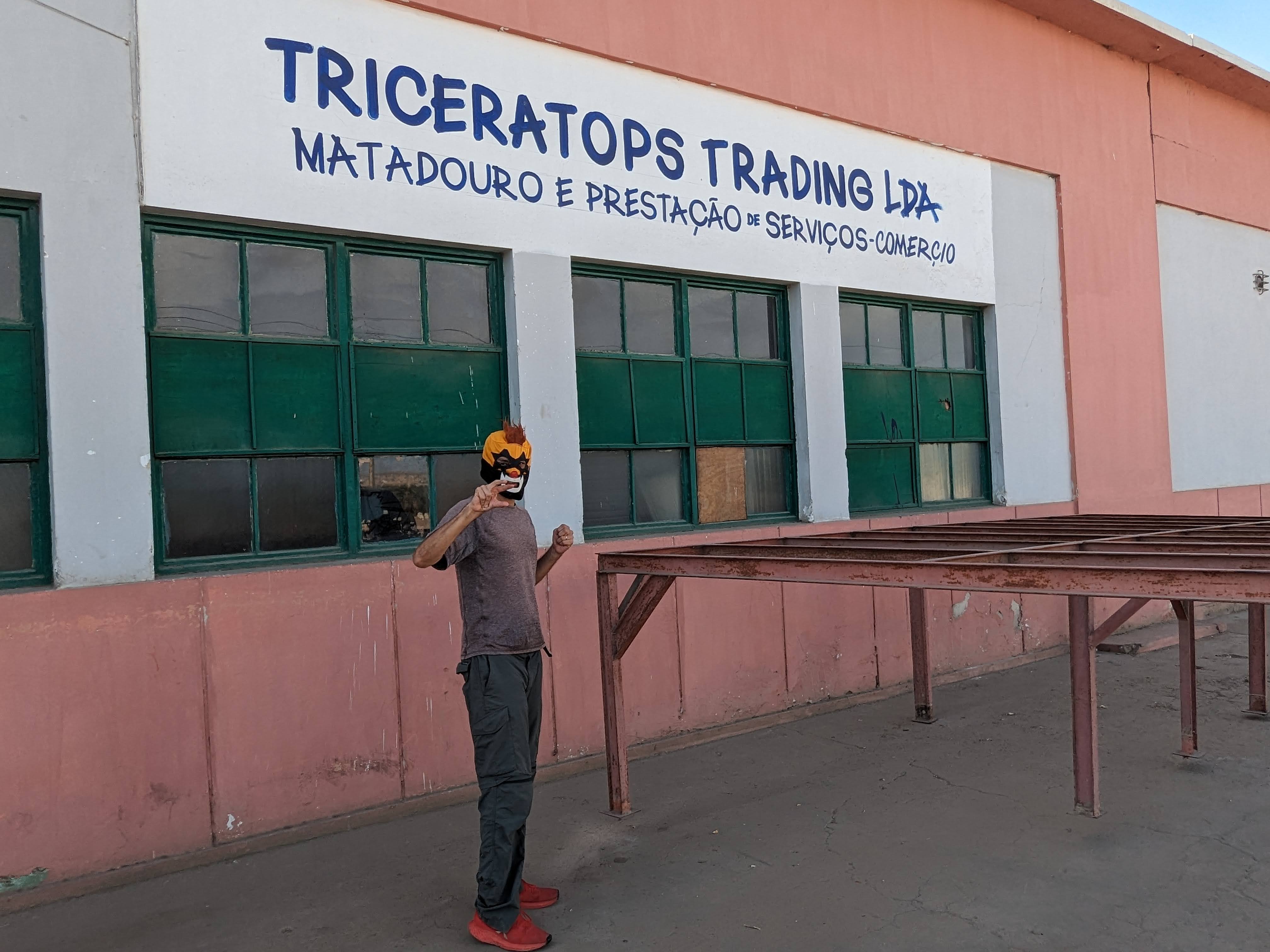
Oh and P.S. – My regular travel back to Angola is assured as I immediately became a partner in this business. I’m less than certain what trading actually goes on, but more than certain it is my life’s destiny.
 Why did you click here?